Importing an Audi Sport Quattro from Germany to the USA: 2026 Costs
The short-wheelbase Sport Quattro is the rarest, wildest homologation special Audi ever sold to the public, and America never got one, which is exactly why collectors bring them across the Atlantic.

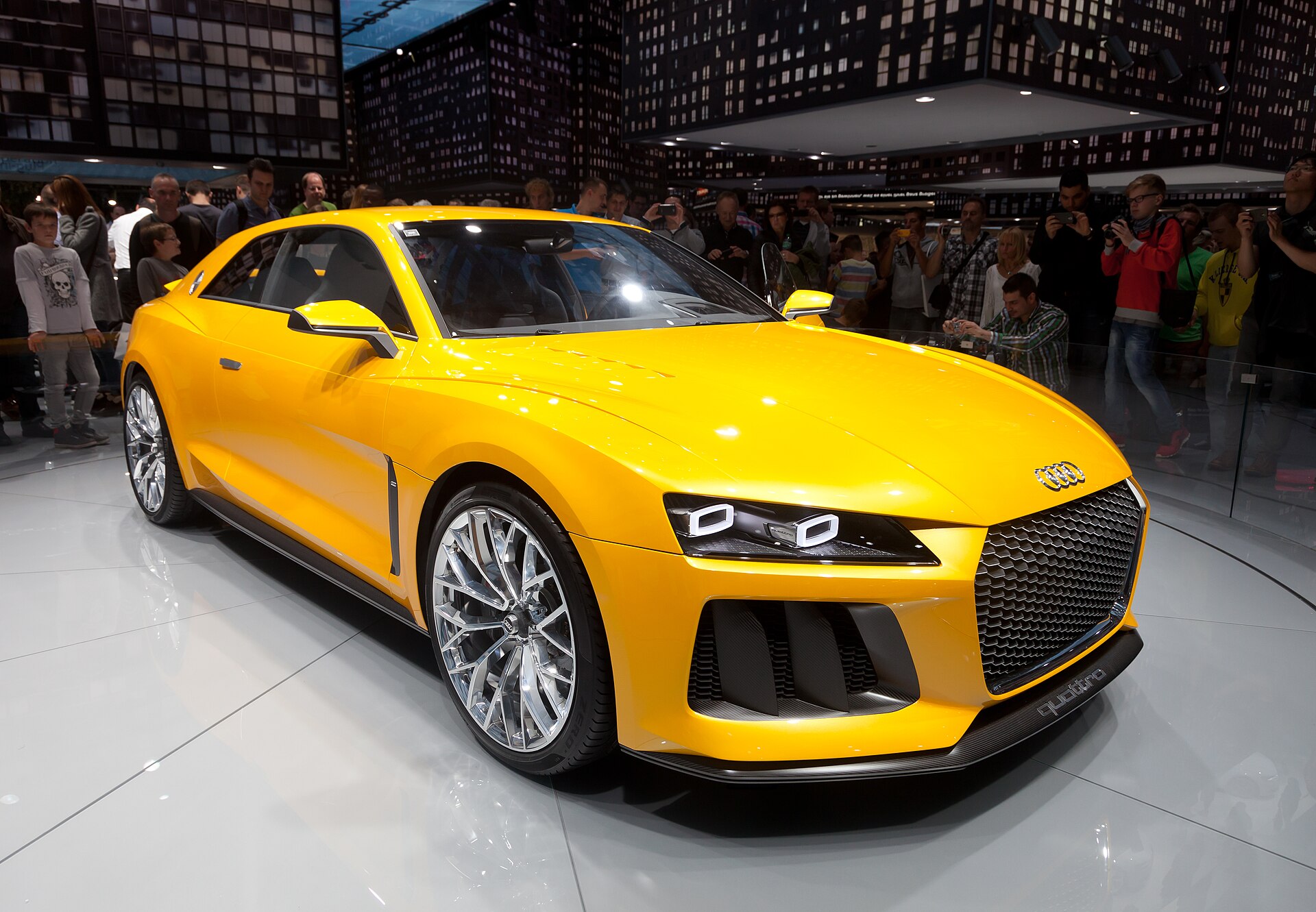
Audi built roughly 200 road-going Sport Quattros in 1984 to homologate its Group B rally weapon, each with an aluminium and Kevlar body, a wheelbase chopped by around 320mm, and a 306-horsepower 20-valve turbo five driving all four wheels. It was the most expensive German car of its day and was never federalized for US sale.
That absence is the whole point. With no factory US-market example ever produced, the only way an American enthusiast parks one in the garage is to import it from Europe, and at more than 40 years old it now clears every federal hurdle that once made that impossible.
Audi needed 200 cars to homologate its Group B contender, and the Sport Quattro was the answer: a factory-shortened Ur-Quattro with roughly 320mm cut from the wheelbase, aluminium and Kevlar panels, and a windscreen raked forward for rally visibility. The 2.1-litre 20-valve turbo five produced 306 horsepower in road trim, an enormous figure for 1984, and fed all four wheels. Built in tiny numbers and priced like a supercar when new, it sits at the very top of the quattro bloodline.
Values sit firmly in six figures and climb toward seven for documented, low-owner examples, so due diligence matters more here than on almost any other German coupe. Verify the VIN and engine number, and demand a continuous history backed by an authority such as Audi Tradition. Watch for accident repairs hidden beneath the composite bodywork, corrosion in the steel structure underneath, and tired turbo fives that are expensive to rebuild. Genuine cars are scarce; convincing replicas are not.
The paperwork is the easy part, since a 40-year-old car sails through both the 25-year and EPA exemptions, but the logistics reward patience. Use a shipper who handles high-value classics, insist on an enclosed container rather than roll-on-roll-off, and allow time for German export deregistration and fresh US-market documentation. The common trap is under-declaring value to trim duty; Customs knows what these cars fetch, and a flagged entry can cost far more in delays and penalties than any duty it might have saved.
The full cost breakdown
Every line below is a researched 2026 estimate in USD. We start from the $300,000 purchase price, add marine insurance at about 1.5% and ocean freight, then 2.5% US duty on the declared value, and the broker, compliance and registration fees. Change the purchase price and everything else scales only modestly.
| Vehicle (purchase price) | $300,000 |
| Export agent & auction fees | $1,200 |
| Ocean freight | $3,000 |
| Marine insurance (~1.5%) | $4,500 |
| The standard US passenger-car import duty is 2.5% of declared value | $7,500 |
| Customs broker & port handling | $830 |
| EPA / DOT entry & compliance paperwork | $300 |
| Inland transport & registration | $1,500 |
| Estimated all-in landed cost | $318,830 |
Into USA the duty is light, just $7,500, so tax is the small part of the bill. It is shipping (about $3,000), compliance and registration that make up most of the roughly $18,830 you add on top of the $300,000 purchase price — around 6% before you turn a wheel.
Step by step: how importing this car works
- Agree the purchase and secure the title/export paperwork in Germany (an export agent or auction house usually handles de-registration).
- Book ocean freight — roll-on/roll-off (RoRo) is cheapest, a sole-use container is safest for a high-value car.
- Confirm eligibility from the build month — the US 25-year DOT exemption is calculated month by month, not by model year.
- Clear US customs and pay the 2.5% duty, then file EPA Form 3520-1 and DOT Form HS-7 at entry.
- Arrange inland transport, then title and register in your state — a few states add emissions or kei-vehicle checks.
Compliance & the fine print
A 1984 Sport Quattro is comfortably past the 25-year threshold NHTSA uses to exempt vehicles from FMVSS, so it enters on an HS-7 form under the classic-vehicle box with no need for federalization or crash testing. The EPA's own 21-year exemption covers it as well, provided the turbo five remains in original configuration, declared on Form 3520-1. Passenger cars carry the standard base import duty rate, and because these are left-hand-drive European cars there is no steering conversion to arrange. Expect Customs and your broker to scrutinize the VIN and build date to confirm the model year.
Frequently asked questions
Is the Sport Quattro legal to import to the US without modifications?+
Yes. Any 1984 build is over 25 years old, which exempts it from federal safety standards, and it is past the EPA's 21-year mark for original-configuration engines. You bring it in as-is on the HS-7 and 3520-1 forms: no crash testing, no emissions retrofit, and no DOT-registered conversion workshop required.
How do I tell a genuine Sport Quattro from a converted Ur-Quattro?+
Check the VIN against factory records and confirm the shortened wheelbase, the Kevlar-composite bodywork, the forward-raked windscreen, and the correct 20-valve engine number. Replicas built on standard coupe shells surface regularly, so a complete history file and ideally an Audi Tradition certificate separate a real car from an expensive lookalike.
What is the total estimated cost to import a Audi Sport Quattro?+
About $318,830 all-in for a $300,000 example — the purchase price plus roughly $18,830 in freight, insurance, duty, compliance and registration. Your figure shifts with the exact price, route and exchange rate.
Read next
Importing a Nissan Skyline R34 to the USA: the true 2026 cost
Importing a Toyota Supra MK4 (A80) to the USA in 2026