Importing a BMW E28 M5 from Germany to the USA: 2026 Costs
The E28 M5 hid a detuned M1 engine inside an anonymous three-box saloon, and importing a European example is how US buyers finally get the full-power version.

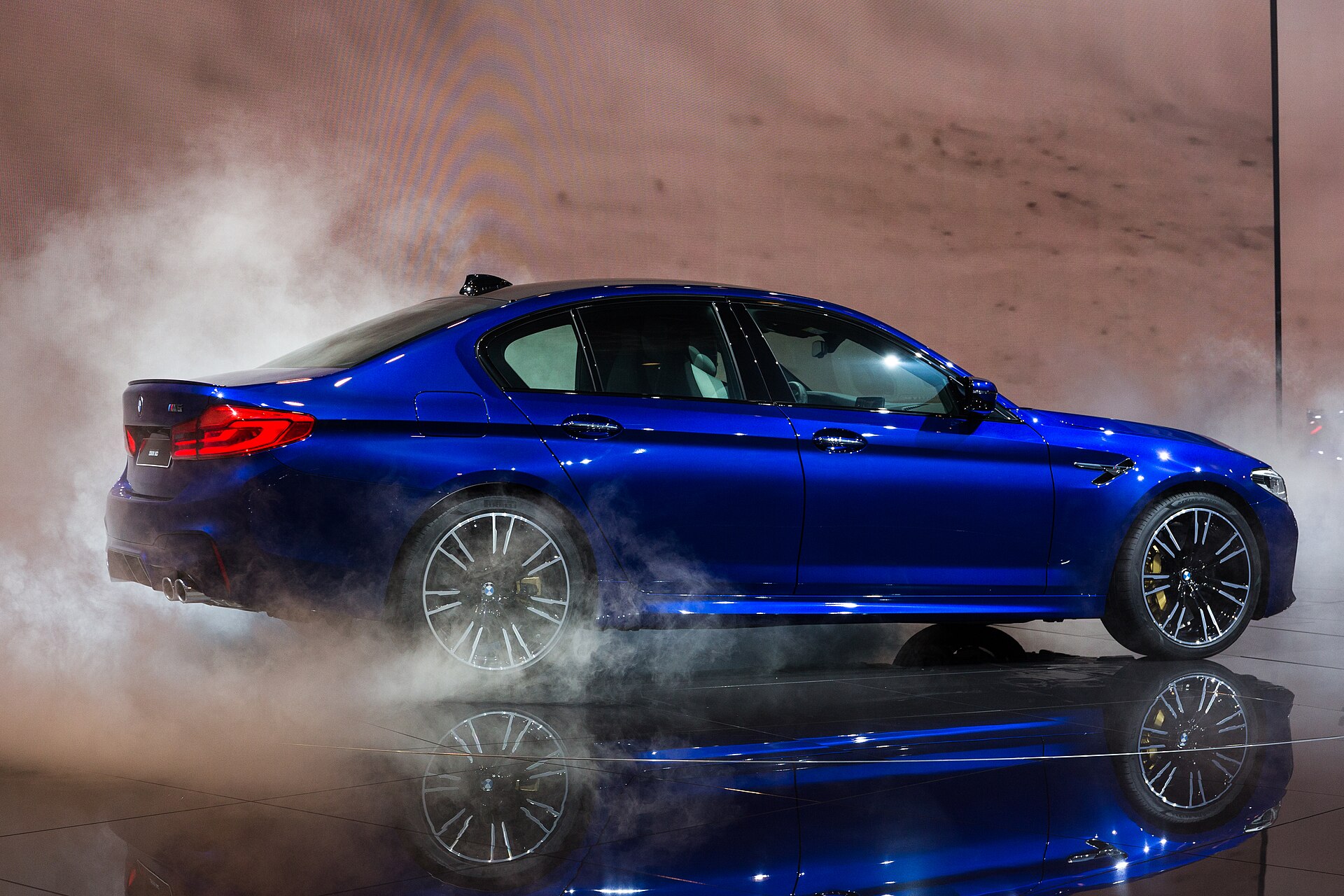
This is the M5 that started the badge: a hand-assembled 5 Series carrying a 3.5-litre, 24-valve straight-six lifted almost directly from the M1 supercar. In European M88/3 tune it made roughly 286 hp, enough to be the fastest four-door on sale in 1985 while looking like a fleet manager's company car.
US showrooms only ever received the catalysed 256-hp S38 version, all painted black, for a single 1988 model year. Importing a German car is how enthusiasts get the hotter M88/3 engine, a wider colour palette, and, now that every example is well past 25 years old, a clean exemption-based path through Customs.
When BMW Motorsport dropped the M1's M88 straight-six into the outgoing 5 Series in 1985, it more or less invented the super-saloon. Roughly 2,200 E28 M5s were hand-built over three years, each a deliberately plain box hiding M-tuned suspension, a limited-slip differential, and a 152-mph top end. The appeal is exactly that restraint: no wings, no shouting, just a company-car silhouette wrapped around genuine supercar mechanicals. Collectors have long since caught on, and clean cars are no longer cheap.
Values have climbed steadily, with the spread driven by originality, documented history, and engine health far more than raw mileage. Walk away from tired examples: the M88/S38 top end needs periodic valve-shim adjustment, and a full rebuild is punishing. Listen for timing-chain rattle on a cold start, demand a complete service file, and inspect the shell hard, because E28s rot at the jacking points, arches, sunroof surround, and the boot-mounted battery tray. Matching numbers and honest paint command a real premium.
Because the car clears both the 25-year and 21-year exemptions, the German-to-US route is one of the more relaxed imports you can attempt, though it still rewards diligence. Buy from someone who can supply the German Fahrzeugbrief or Zulassungsbescheinigung II and a clean title, budget for RoRo or container shipping out of Bremerhaven or Hamburg, and use a customs broker who knows classics. The classic trap is a car that photographs beautifully but arrives needing deferred maintenance; a pre-purchase inspection in Germany pays for itself.
The full cost breakdown
Every line below is a researched 2026 estimate in USD. We start from the $45,000 purchase price, add marine insurance at about 1.5% and ocean freight, then 2.5% US duty on the declared value, and the broker, compliance and registration fees. Change the purchase price and everything else scales only modestly.
| Vehicle (purchase price) | $45,000 |
| Export agent & auction fees | $1,200 |
| Ocean freight | $2,600 |
| Marine insurance (~1.5%) | $675 |
| The standard US passenger-car import duty is 2.5% of declared value | $1,125 |
| Customs broker & port handling | $830 |
| EPA / DOT entry & compliance paperwork | $300 |
| Inland transport & registration | $1,500 |
| Estimated all-in landed cost | $53,230 |
Into USA the duty is light, just $1,125, so tax is the small part of the bill. It is shipping (about $2,600), compliance and registration that make up most of the roughly $8,230 you add on top of the $45,000 purchase price — around 18% before you turn a wheel.
Step by step: how importing this car works
- Agree the purchase and secure the title/export paperwork in Germany (an export agent or auction house usually handles de-registration).
- Book ocean freight — roll-on/roll-off (RoRo) is cheapest, a sole-use container is safest for a high-value car.
- Confirm eligibility from the build month — the US 25-year DOT exemption is calculated month by month, not by model year.
- Clear US customs and pay the 2.5% duty, then file EPA Form 3520-1 and DOT Form HS-7 at entry.
- Arrange inland transport, then title and register in your state — a few states add emissions or kei-vehicle checks.
Compliance & the fine print
Every E28 M5 left production by 1988, which puts the whole model beyond the NHTSA 25-year threshold and clears it from meeting the FMVSS safety standards a newer import would have to be modified to satisfy. On the emissions side, the EPA treats vehicles more than 21 years old in original configuration as exempt, so a numbers-matching M88/3 car needs no catalyst retrofit or lab testing. You will still file the paperwork: DOT form HS-7 and EPA form 3520-1 with the correct exemption codes, plus a standard CBP entry with proof of the build date. A steam-washed, soil-free underbody helps you avoid USDA holds on a classic with plenty of nooks.
Frequently asked questions
Will a German-market car be left-hand drive?+
Yes. German E28 M5s were built LHD, so the vast majority of European examples suit US roads with no conversion; right-hand-drive cars came only from the UK and a handful of other markets, so simply buy from Germany if you want LHD.
Does the European M88/3 engine cause emissions trouble at import?+
No. Because the car is past the EPA's 21-year threshold in original form, the uncatalysed European engine is accepted as-is at the federal level, though a few states' registration or inspection rules may still ask for a visual check.
What is the total estimated cost to import a BMW M5 (E28)?+
About $53,230 all-in for a $45,000 example — the purchase price plus roughly $8,230 in freight, insurance, duty, compliance and registration. Your figure shifts with the exact price, route and exchange rate.
Read next
Importing a Nissan Skyline R34 to the USA: the true 2026 cost
Importing a Toyota Supra MK4 (A80) to the USA in 2026