Importing a Honda Civic SiR (EG6) to the USA: 2026 Cost Guide
The EG6 is the B16A VTEC hatch America never officially got, and it is finally old enough to bring home legally.

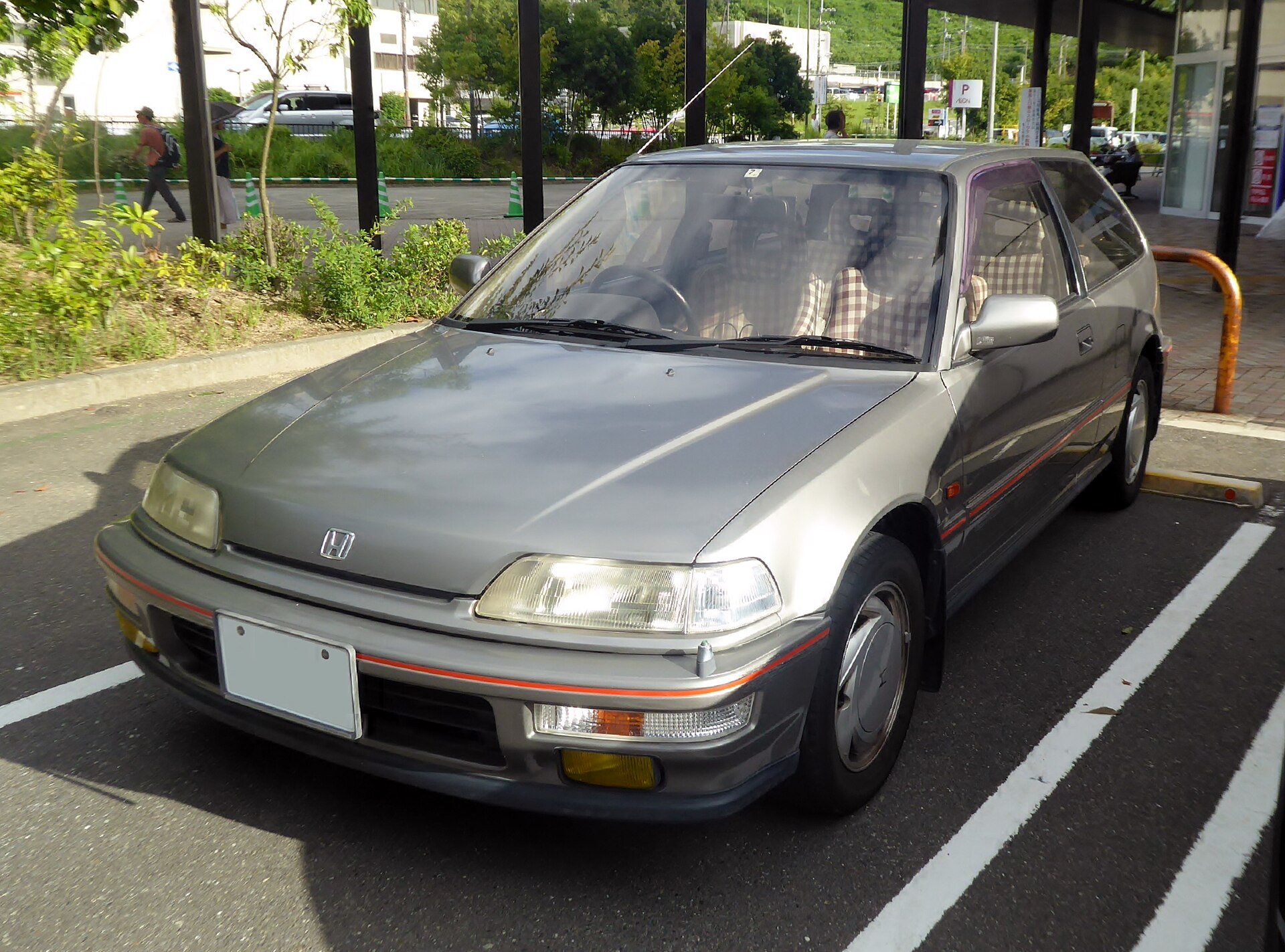
The fifth-gen Civic hatch America received wore the Si badge and a 125-hp SOHC D16Z6. Japan's SiR and SiR-II got the real thing: a second-generation B16A, 1.6 liters of DOHC VTEC spinning to 170 PS at 7,800 rpm. That single engine gap is the entire reason people ship these cars across an ocean.
At barely over a tonne with double wishbones at all four corners, the EG6 handles like a scalpel and revs like a superbike. It earned its legend on touge roads and club circuits, and clean examples have become genuinely hard to find in Japan itself.
The EG6 arrived in 1991 as the sporting three-door of the fifth-generation Civic and ran through 1995. Its SiR and SiR-II trims carried the second-generation B16A, a 1.6-liter DOHC VTEC that pulled 170 PS at 7,800 rpm, extraordinary output for a car weighing barely over a tonne. Double-wishbone suspension at every corner gave it a balance rivals could not match, and time has only hardened its status among front-drive purists.
Honest, unmolested EG6s have climbed steadily as Japan's domestic supply thins and 25-year eligibility opens the American market. Values reward originality: a factory B16A, an untouched interior, and mileage that matches the paperwork. Be wary of swaps that mask accident repairs, rust in the rear arches and battery tray, and loose 'VTEC' advertising that turns out to be a lesser SiR clone. A pre-purchase inspection and a genuine auction grading sheet are worth every yen.
Most buyers work through a Japanese exporter paired with a US customs broker, landing the car at a West or East Coast port. Plan for ocean freight, marine insurance, the 2.5% passenger-car duty, broker fees, and stateside transport to your door. The recurring traps are title and odometer figures that do not match the export certificate, and state registration; California in particular can demand emissions compliance a JDM shell was never engineered to pass. Confirm your DMV's position before you wire a deposit.
The full cost breakdown
Every line below is a researched 2026 estimate in USD. We start from the $16,000 purchase price, add marine insurance at about 1.5% and ocean freight, then 2.5% US duty on the declared value, and the broker, compliance and registration fees. Change the purchase price and everything else scales only modestly.
| Vehicle (purchase price) | $16,000 |
| Export agent & auction fees | $1,200 |
| Ocean freight | $2,600 |
| Marine insurance (~1.5%) | $240 |
| The standard US passenger-car import duty is 2.5% of declared value | $400 |
| Customs broker & port handling | $830 |
| EPA / DOT entry & compliance paperwork | $300 |
| Inland transport & registration | $1,500 |
| Estimated all-in landed cost | $23,070 |
Into USA the duty is light, just $400, so tax is the small part of the bill. It is shipping (about $2,600), compliance and registration that make up most of the roughly $7,070 you add on top of the $16,000 purchase price — around 44% before you turn a wheel.
Step by step: how importing this car works
- Agree the purchase and secure the title/export paperwork in Japan (an export agent or auction house usually handles de-registration).
- Book ocean freight — roll-on/roll-off (RoRo) is cheapest, a sole-use container is safest for a high-value car.
- Confirm eligibility from the build month — the US 25-year DOT exemption is calculated month by month, not by model year.
- Clear US customs and pay the 2.5% duty, then file EPA Form 3520-1 and DOT Form HS-7 at entry.
- Arrange inland transport, then title and register in your state — a few states add emissions or kei-vehicle checks.
Compliance & the fine print
The EG6 was built from 1991 to 1995, so every model year now clears the NHTSA 25-year rule that exempts a vehicle from FMVSS conformity; you file DOT form HS-7 and check the exemption box. Cars over 21 years old are also EPA-exempt in original configuration via form 3520-1, so no catalyst retrofit is required. Right-hand drive is legal at the federal level. Registration and emissions testing, however, are set by your state, and a handful are noticeably stricter than the rest.
Frequently asked questions
Is the EG6 SiR legal to import to the US now?+
Yes. Built 1991 through 1995, every EG6 SiR has passed the 25-year mark, so it clears DOT under the classic exemption and EPA under the 21-year rule. Right-hand drive is fine federally, but confirm your state's registration and smog stance before committing.
How is the JDM SiR different from the US Civic Si?+
The US EG Si ran a 1.6 SOHC VTEC (D16Z6) making around 125 hp. The JDM SiR carried the DOHC B16A, roughly 170 PS, a higher redline, and a close-ratio gearbox. Same shell, very different engine and driving character.
What is the total estimated cost to import a Honda Civic SiR (EG6)?+
About $23,070 all-in for a $16,000 example — the purchase price plus roughly $7,070 in freight, insurance, duty, compliance and registration. Your figure shifts with the exact price, route and exchange rate.
Read next
Importing a Nissan Skyline R34 to the USA: the true 2026 cost
Importing a Toyota Supra MK4 (A80) to the USA in 2026