Import a Porsche 968 Club Sport to the USA: 2026 Costs
The Porsche 968 Club Sport, the lightest and sharpest send-off for Porsche's front-engine four-cylinder era, was never sold in America, and the 25-year rule has finally opened the door.

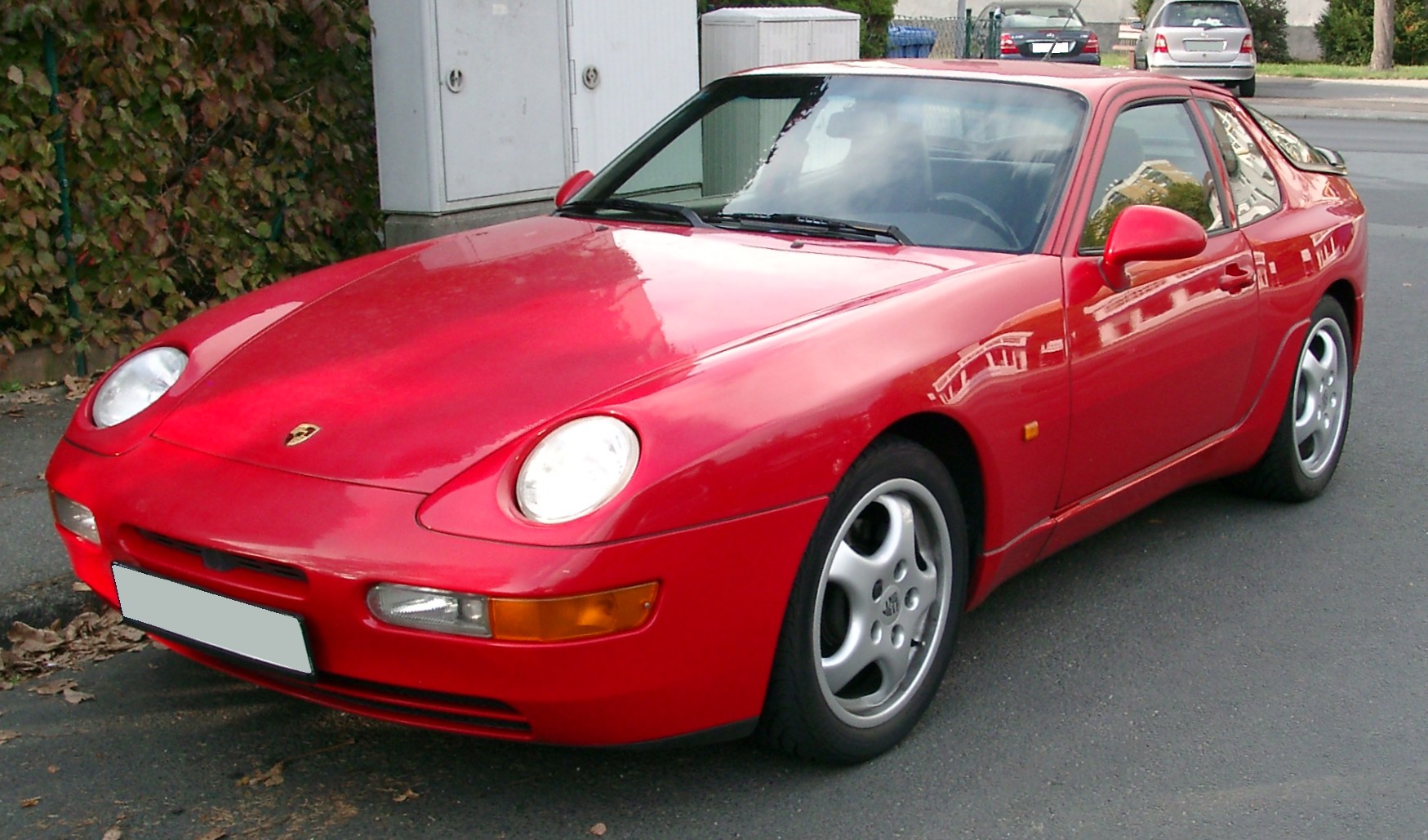
The Club Sport was never offered new in the United States. American buyers got the standard 968 coupe and cabriolet, never the stripped-out lightweight, which for decades put the CS effectively off-limits stateside. That scarcity is exactly why sourcing one from Germany is now the move.
Every Club Sport left the factory between 1993 and 1995, so all of them have now crossed the 25-year threshold that unlocks legal US import. A German-market car is left-hand drive as well: no conversion, no compromise, just the best-driving transaxle Porsche landing on the correct side of the road.
The 968 closed out Porsche's front-engine, transaxle four-cylinder line in 1995, and the Club Sport was its sharpest expression. Under the bonnet sat a 3.0-litre four, one of the largest production fours ever built, making around 240 PS through VarioCam variable valve timing and a six-speed manual. Porsche stripped roughly 50 kilos of rear seats, sound deadening and electrics, then dropped and stiffened the suspension and bolted in Recaro buckets. Nothing else in the bloodline drives quite like it.
Values have climbed hard over the past decade; a genuine Club Sport now commands a clear premium over the standard 968 coupe, and documented, low-owner cars sit right at the top of the four-cylinder Porsche market. Verify the VIN and options against the original build, since plenty of 'CS-look' tribute cars exist. Check the sills, floors and battery tray for rust, confirm the timing and balance-shaft belts were changed on schedule, and budget for a proper pre-purchase inspection in Germany.
A German-market car is left-hand drive, which spares you the right-hand-drive awkwardness of a UK example and makes it road-ready in the States from day one. Use a shipper who knows Porsches, enclosed or shared container out of Bremerhaven or Hamburg, and gather the German title, deregistration papers and service history before you book. The usual pitfalls are incomplete paperwork, an unverified belt service, and underestimating how long stateside titling and registration can take. Do the homework and it clears customs cleanly.
The full cost breakdown
Every line below is a researched 2026 estimate in USD. We start from the $45,000 purchase price, add marine insurance at about 1.5% and ocean freight, then 2.5% US duty on the declared value, and the broker, compliance and registration fees. Change the purchase price and everything else scales only modestly.
| Vehicle (purchase price) | $45,000 |
| Export agent & auction fees | $1,200 |
| Ocean freight | $2,700 |
| Marine insurance (~1.5%) | $675 |
| The standard US passenger-car import duty is 2.5% of declared value | $1,125 |
| Customs broker & port handling | $830 |
| EPA / DOT entry & compliance paperwork | $300 |
| Inland transport & registration | $1,500 |
| Estimated all-in landed cost | $53,330 |
Into USA the duty is light, just $1,125, so tax is the small part of the bill. It is shipping (about $2,700), compliance and registration that make up most of the roughly $8,330 you add on top of the $45,000 purchase price — around 19% before you turn a wheel.
Step by step: how importing this car works
- Agree the purchase and secure the title/export paperwork in Germany (an export agent or auction house usually handles de-registration).
- Book ocean freight — roll-on/roll-off (RoRo) is cheapest, a sole-use container is safest for a high-value car.
- Confirm eligibility from the build month — the US 25-year DOT exemption is calculated month by month, not by model year.
- Clear US customs and pay the 2.5% duty, then file EPA Form 3520-1 and DOT Form HS-7 at entry.
- Arrange inland transport, then title and register in your state — a few states add emissions or kei-vehicle checks.
Compliance & the fine print
Because every 968 Club Sport was built in 1993 to 1995, all now clear the US 25-year rule, which exempts vehicles that age from NHTSA's federal motor vehicle safety standards; you declare the exemption on DOT Form HS-7. The car is also well past the EPA's 21-year threshold for original-configuration imports, claimed on EPA Form 3520-1, so no emissions conformity work is needed. Duty is assessed at the passenger-car rate on the declared value and filed through a customs broker with an ISF. Confirm the current tariff treatment before you ship, as US auto-tariff policy shifted during 2025.
Frequently asked questions
Was the 968 Club Sport ever sold in the US?+
No. Porsche only federalized the standard 968 coupe and cabriolet for America; the Club Sport was built for Europe and other markets. The 25-year rule is now the only legal route to putting one on US roads, and every CS already qualifies.
Is a German 968 Club Sport left-hand drive?+
Yes. German-market cars are left-hand drive, so there is no conversion to sort out and the car is ready for US roads on arrival, a real advantage over the right-hand-drive Club Sports sold in the UK, Australia and Japan.
What is the total estimated cost to import a Porsche 968 Club Sport?+
About $53,330 all-in for a $45,000 example — the purchase price plus roughly $8,330 in freight, insurance, duty, compliance and registration. Your figure shifts with the exact price, route and exchange rate.
Read next
Importing a Nissan Skyline R34 to the USA: the true 2026 cost
Importing a Toyota Supra MK4 (A80) to the USA in 2026