Importing a VW Scirocco 16V from Germany to the USA: 2026 Costs
Volkswagen sold the 16-valve Scirocco in America for only three brief years, so importing one from Germany now buys you the sharper Euro version the US never got.

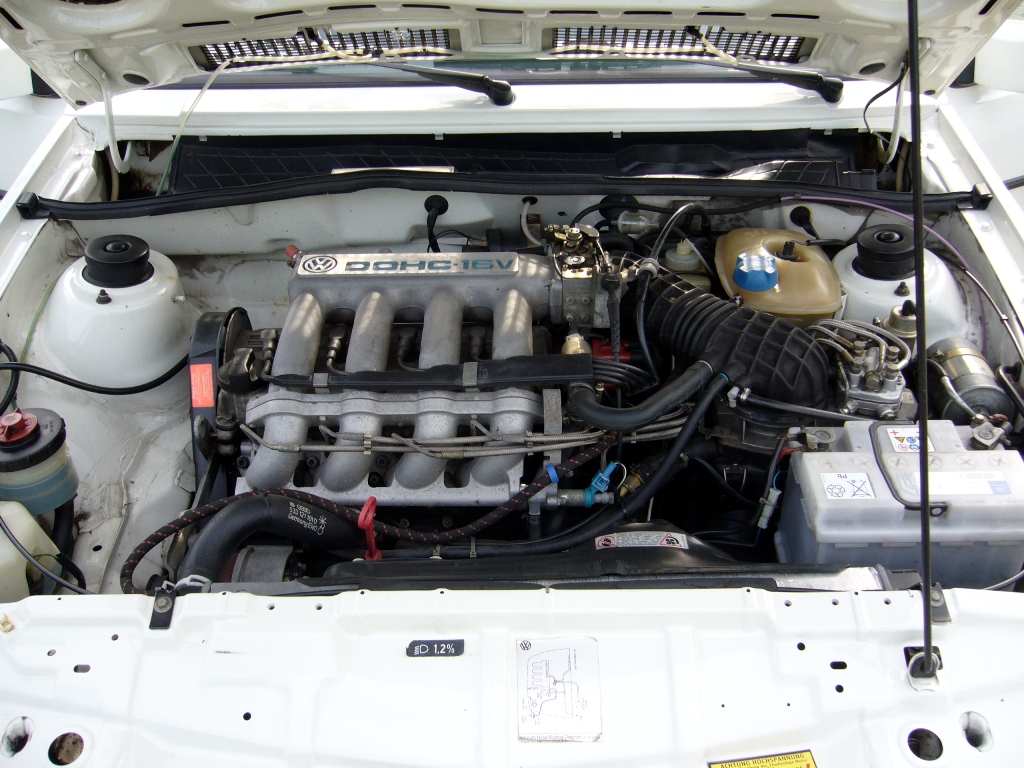
The US market received the 16V for just three model years, 1986 to 1988, and always with the emissions-strangled PL engine making around 123 hp. Bring in a German-market car and you can have the livelier non-catalyzed KR unit and the slim Euro bumpers American buyers never saw.
At better than 35 years old, every Scirocco 16V now clears the 25-year import threshold with room to spare. A coupe that once could only enter the US through costly federalization is today one of the simplest German cars to import legally.
The Scirocco was Volkswagen's Golf in a sharp suit — Giugiaro's original wedge, restyled in-house for the Mk2 in 1981. The 16-valve arrived mid-decade with a 1.8-liter twin-cam head shared with the GTI 16V, spinning hard to move a coupe that weighed barely a ton. European KR-engined cars made around 139 PS, noticeably more than the catalyzed US version. Front-drive, playful on a lifted throttle, and genuinely quick for its size, it became the enthusiast's answer to the hot hatch.
Values have climbed as tidy survivors thinned out, yet the 16V remains one of the more attainable 1980s Volkswagens — you're not paying Golf Rallye money. Inspect hard for rust in the strut towers, rear arches, sunroof channels, and battery tray, since a rotten shell can outcost the car. Listen for a rattly, oil-starved 16-valve head, check the synchros on a cold gearbox, and confirm the engine code matches the body. The temperamental digital dash is a known weak point.
Germany is a strong hunting ground: left-hand drive matches US roads, and cars there were often better rust-proofed and better documented than home-market survivors. In practice you'll arrange inland transport to a port such as Bremerhaven, book RoRo or a shared container, file the ISF, and clear customs through a broker. The usual pitfalls are optimistic rust descriptions, TUV history that doesn't guarantee a clean title, and forgetting how much inland trucking adds on both ends.
The full cost breakdown
Every line below is a researched 2026 estimate in USD. We start from the $14,000 purchase price, add marine insurance at about 1.5% and ocean freight, then 2.5% US duty on the declared value, and the broker, compliance and registration fees. Change the purchase price and everything else scales only modestly.
| Vehicle (purchase price) | $14,000 |
| Export agent & auction fees | $1,200 |
| Ocean freight | $2,500 |
| Marine insurance (~1.5%) | $210 |
| The standard US passenger-car import duty is 2.5% of declared value | $350 |
| Customs broker & port handling | $830 |
| EPA / DOT entry & compliance paperwork | $300 |
| Inland transport & registration | $1,500 |
| Estimated all-in landed cost | $20,890 |
Into USA the duty is light, just $350, so tax is the small part of the bill. It is shipping (about $2,500), compliance and registration that make up most of the roughly $6,890 you add on top of the $14,000 purchase price — around 49% before you turn a wheel.
Step by step: how importing this car works
- Agree the purchase and secure the title/export paperwork in Germany (an export agent or auction house usually handles de-registration).
- Book ocean freight — roll-on/roll-off (RoRo) is cheapest, a sole-use container is safest for a high-value car.
- Confirm eligibility from the build month — the US 25-year DOT exemption is calculated month by month, not by model year.
- Clear US customs and pay the 2.5% duty, then file EPA Form 3520-1 and DOT Form HS-7 at entry.
- Arrange inland transport, then title and register in your state — a few states add emissions or kei-vehicle checks.
Compliance & the fine print
Every Scirocco 16V is now well past the 25-year mark — European production ran into the early 1990s — so it enters the US exempt from NHTSA's Federal Motor Vehicle Safety Standards, with no bumper, lighting, or crash conformity required. Because it is also more than 21 years old, the EPA treats the engine as exempt from emissions certification, so no catalyst or test paperwork is needed at the border. You'll still lodge NHTSA Form HS-7 claiming the 25-year exemption and EPA Form 3520-1 for the emissions exemption, pay the 2.5% passenger-car duty, and clear customs through a broker. A clean, translated German title and a bill of sale are the documents that actually matter.
Frequently asked questions
Does a German Scirocco 16V need emissions or safety modifications to register in the US?+
No. Past both the 25-year DOT and 21-year EPA thresholds, it is exempt from federal safety and emissions standards and enters in original spec. State registration is separate — a few states still run a safety or tailpipe inspection on older cars, so check your local DMV rules before you buy.
Is the European KR engine worth chasing over a US-spec car?+
For a driver, yes. The non-catalyzed KR made roughly 139 PS against the US car's approximately 123 hp and breathes better up top. Just confirm the engine code stamped on the block matches what the seller claims, since plenty of these cars have been swapped or rebuilt over four decades.
What is the total estimated cost to import a Volkswagen Scirocco 16V?+
About $20,890 all-in for a $14,000 example — the purchase price plus roughly $6,890 in freight, insurance, duty, compliance and registration. Your figure shifts with the exact price, route and exchange rate.
Read next
Importing a Nissan Skyline R34 to the USA: the true 2026 cost
Importing a Toyota Supra MK4 (A80) to the USA in 2026